If you are torn between the charm of an older home and the ease of newer construction, Wayne makes that decision especially interesting. Homes in this popular Main Line town blend Victorian-era character, walkable streets, and rail access with a smaller selection of newer homes that appeal to buyers who want modern layouts and lower upkeep. When you understand how historic character, maintenance, energy performance, and local rules can affect your purchase, you can make a choice that fits your life with more confidence. Let’s dive in.
Why Wayne Makes This Choice Unique
The Main Line, and Wayne in particular, is not just another suburban market. Wayne describes itself as a walkable community with Victorian heritage, SEPTA Paoli/Thorndale Line service, and access to Radnor or Tredyffrin-Easttown School Districts (two of the highest rated districts in the country), all within about 2 square miles and a population of roughly 7,000 residents.
That mix of location and identity shapes the housing conversation. Wayne’s planning efforts focus on housing, historic resources, transportation, and revitalization, which means your home choice is closely tied to how you want to live day to day.
What Historic Homes Offer
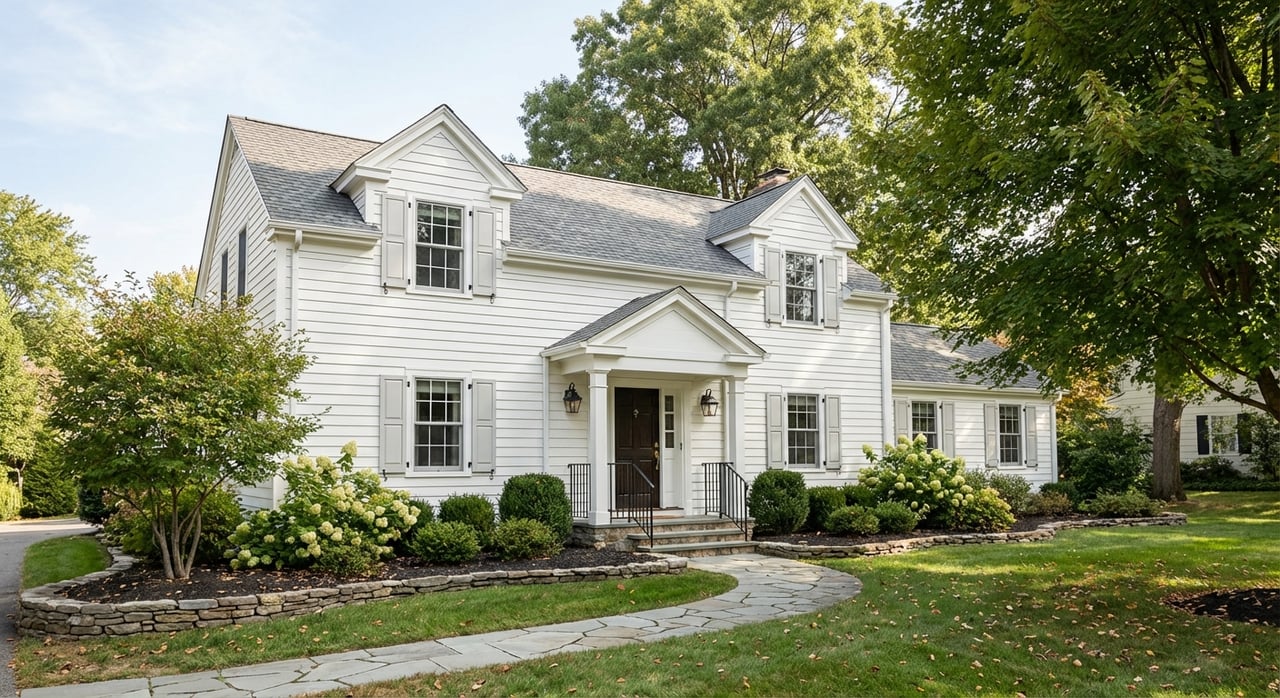
For many buyers, historic homes in Wayne stand out because they feel rooted in place. The Wayne Business Association notes that its oldest house dates to the early 1800's and that much of the community dates to the Victorian era, supported by local preservation efforts through the Radnor Historical Society.
If you love original details, older homes often deliver what newer homes cannot easily recreate. You may find distinctive craftsmanship, established room layouts, and architectural features that reflect the borough’s long history.
Character Comes With Structure
Historic homes often have a floor plan that is part of their appeal. The National Park Service explains that a historic building’s room sequence, floor plan, and interior spaces can be defining features of its character, and major changes can diminish that character.
That matters if you are dreaming of a full open-concept redesign. In many cases, an older Wayne home may be better suited to thoughtful updates than sweeping reconfiguration.
Local Rules May Affect Future Plans
Some historic properties in Wayne come with added considerations. The township code states that parcels associated with listed historic resources are part of a historic overlay, and those parcels cannot be subdivided unless approved through borough procedures, as outlined in the Radnor Township code for historic resources.
For you, that means charm may come with limits. If you are considering additions, exterior changes, or long-term redevelopment potential, it is smart to understand whether the property falls within that overlay before you move forward.
Maintenance Is Part of the Tradeoff
Older homes can be deeply rewarding, but they usually require a different mindset. Wayne’s housing plan notes that older housing may involve greater repair and maintenance needs, as well as code-related adjustments.
The town of Wayne also highlights assistance categories related to structural issues, plumbing, heating, electrical work, roofing, insulation, weather-stripping, and furnaces through the Radnor Township Master Plan, "A Vision for Wayne." That does not mean every older home will have major issues, but it does mean you should budget for ongoing upkeep more carefully.
Lead Paint Should Be Part of Your Due Diligence
If a home was built before 1978, lead paint should be part of the conversation early. The EPA states that the lead-based paint disclosure rule applies to most pre-1978 housing, and older homes are more likely to contain lead-based paint.
The agency estimates that 87% of homes built before 1940 and 24% of homes built between 1960 and 1978 contain some lead-based paint, according to the EPA lead disclosure rule overview. In practical terms, that makes the age of the home an inspection and disclosure issue, not just a style preference.
What New Homes Offer
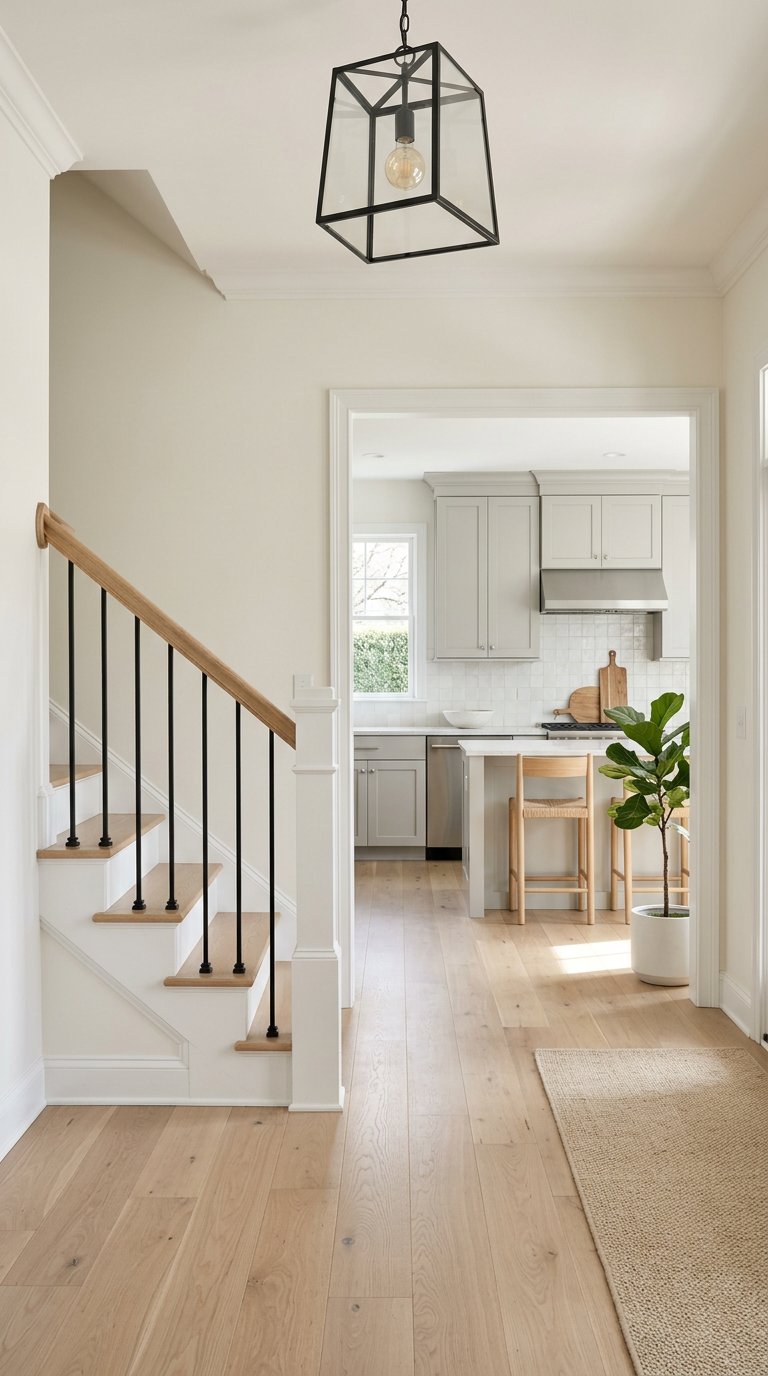
Newer homes in and around Wayne appeal to buyers who want convenience and predictability. Builders often highlight open layouts, newer finishes, and lower-maintenance living.
Examples in the area reflect that trend. Foxlane Homes markets its North Wayne development of 18 luxury homes as a "once in a lifetime neighborhood" within walking distance of downtown Wayne. Similarly, Rockwell Development's latest project, Strafford Walk, 30 homes on the former site of Dorrance Hamilton's estate, is drawing attention for its promised high-end amenities.
Energy Efficiency Is a Major Advantage
If utility costs and comfort matter to you, newer construction often has a clear edge. ENERGY STAR says certified new homes must meet strict EPA energy-efficiency requirements and typically include quality insulation, high-performance windows, a well-sealed envelope, and efficient heating and cooling systems.
ENERGY STAR also notes that certified homes are at least 10% more efficient than homes built to minimum code levels, based on its new home efficiency standards. That can translate into more predictable monthly costs and a more comfortable indoor environment.
Warranties Can Reduce Early Surprises
Another reason buyers lean toward new construction is warranty coverage. The FTC says most newly built homes come with a builder warranty, although the exact terms vary.
According to the FTC’s guide to new home warranties, workmanship and materials are commonly covered for the first year, major systems such as HVAC, plumbing, and electrical may be covered for about two years, and structural defects may be covered for as long as 10 years. That does not eliminate risk, but it can reduce uncertainty during your first years of ownership.
Historic vs. New in Wayne
The better choice usually comes down to how you want to live, not simply the age of the home. In Wayne, that question is especially important because the town’s historic identity and limited undeveloped land make both preservation and infill part of the local housing story.
Here is a simple side-by-side view:
| Priority | Historic Home | Newer Home |
|---|---|---|
| Architectural character | Strong original detail and period charm | More modern styling and finishes |
| Floor plan | Often more traditional and less flexible | Usually more open and adaptable |
| Maintenance | Higher likelihood of ongoing repairs | Lower upkeep early on |
| Energy performance | Varies widely by updates completed | Often stronger efficiency features |
| Renovation potential | May be shaped by historic character or overlay rules | Typically fewer preservation-related limits |
| Predictability | More inspection focus on age and systems | Often helped by newer systems and warranties |
Questions to Ask Before You Decide
A better buying decision starts with better questions. In Wayne, these are often more useful than simply asking whether the home is old or new.
Ask About Historic Status
Find out whether the property is associated with Wayne’s historic overlay. If it is, ask how that may affect additions, exterior work, or future changes to the site.
Ask About Age and Disclosures
If the home was built before 1978, ask about lead paint disclosures right away. You should also look closely at the age and condition of the roof, electrical system, plumbing, heating, and insulation.
Ask What Has Been Updated
An older home with thoughtful system upgrades may offer a very different ownership experience than one that has not been updated in decades. A newer home, on the other hand, may provide fewer immediate projects but should still be reviewed for build quality, warranty terms, and any community maintenance structure.
Ask How You Want to Live
Do you picture yourself in a home with original room flow near Wayne’s historic core, where walkability and character shape daily life? Or do you want a newer property with community amenities, open living spaces, and a more low-maintenance routine?
That lifestyle question usually points you in the right direction.
Which Buyer Each Option Fits Best
Historic homes tend to work best if you value character, craftsmanship, and a strong sense of place. They can be a great match if you are comfortable preserving existing layouts, planning for repairs, and learning the details that come with an older property.
Newer homes often fit buyers who want convenience, efficiency, and fewer maintenance demands up front. If you are relocating, balancing a busy schedule, or simply want a more turnkey experience, new construction may feel like the easier path.
Neither option is automatically better. The right home is the one that supports your priorities, budget, and comfort level with upkeep, renovation, and long-term plans.
Making a Confident Choice in Wayne
In Wayne, the old-versus-new decision is really about balancing lifestyle and responsibility. A historic home can offer beauty, heritage, and a sense of place that is hard to duplicate, while a newer home can offer efficiency, convenience, and fewer unknowns in the early years.
When you weigh factors like historic overlay rules, maintenance expectations, energy performance, warranty coverage, and walkability, your decision becomes much clearer. If you want thoughtful guidance as you compare homes in Wayne and the surrounding Main Line communities, Melissa Oeth & Stacy Richards are here to help you make a smart, confident move.
FAQs
Are historic homes in Wayne protected?
- Some are. Wayne places listed historic resources in a historic overlay, and the Radnor Township's Historical Commission helps identify and preserve significant sites.
Are new homes in Wayne more energy efficient?
- Usually, yes. ENERGY STAR says certified new homes meet strict efficiency standards and are at least 10% more efficient than homes built to minimum code levels.
Do newer homes in Wayne come with warranties?
- Typically, yes. The FTC says most newly built homes include a builder warranty, though coverage periods and exclusions vary.
What should you check first in an older Wayne home?
- Start with the property’s age, lead paint disclosure requirements for pre-1978 homes, major system updates, maintenance history, and whether the property is part of the historic overlay.
Is a historic or new home better for walkability in Wayne?
- It depends on the specific property, but buyers who prioritize character and proximity to the town’s historic fabric often focus on older homes, while buyers seeking low-maintenance living may prefer newer communities with built-in amenities.