If you want city energy without committing to Center City living, Manayunk often lands in a sweet spot. It offers a historic neighborhood feel, a walkable commercial core, and direct access to both outdoor space and transit. For many buyers, that mix feels hard to find elsewhere in Philadelphia. Let’s take a closer look at why Manayunk continues to stand out.
Manayunk has a distinct urban-village feel
Manayunk sits on the north bank of the Schuylkill River about five miles northwest of Center City. Its physical layout was shaped by mills, steep topography, and a narrow floodplain along Main Street, which gives the neighborhood a very different look and feel from a typical suburban street pattern.
That history still shows up in everyday life. Attached rowhouses, older stone and stucco buildings, and compact side streets create a strong sense of place. Instead of feeling spread out, the neighborhood feels layered, textured, and closely connected.
The Wissahickon Valley also helps physically separate Manayunk from surrounding areas. That natural edge adds to the neighborhood’s identity and helps explain why Manayunk often feels like its own small world within Philadelphia.
Main Street anchors daily life
A big part of Manayunk’s appeal is that Main Street functions as a true neighborhood center. Rather than relying on scattered shopping areas, the neighborhood has a historic commercial spine where local businesses, restaurants, boutiques, and events are concentrated.
That kind of setup can shape your day-to-day routine in a meaningful way. If you value being able to head out on foot and feel connected to street life, Main Street offers that experience in a very visible, practical way.
The City of Philadelphia has also invested in keeping this corridor pedestrian-friendly. Streetscape improvements along Main Street from Green Lane to Shurs Lane included pedestrian-scale lighting, curb bump-outs, improved crossings, traffic signal upgrades, and ADA ramp work.
City planning efforts also show that Manayunk’s character is being actively managed, not left to chance. The Neighborhood Commercial Area Overlay around parts of Main Street and Venice Island helps guide development and can regulate height, setbacks, parking, and landscape rules.
One part of the overlay also requires a waterfront setback to allow public access. For buyers, that matters because it reinforces the idea that the riverfront is part of the shared public realm, not just a private edge behind new development.
Housing feels compact and connected
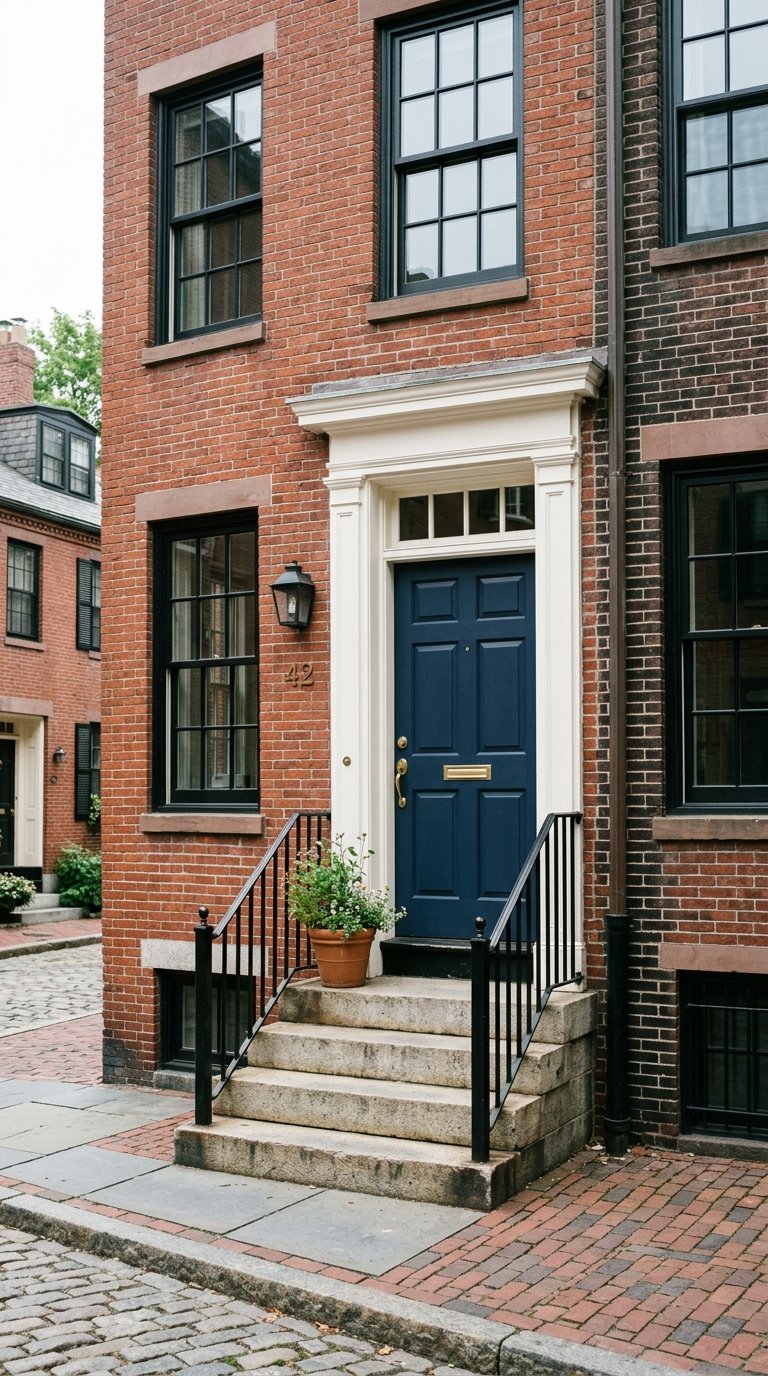
Manayunk’s housing stock is part of what draws buyers who want urban charm. Historic descriptions of the area point to attached two- and three-story rowhouses on side streets, along with older mixed building types that reflect the neighborhood’s industrial roots.
That compact housing pattern creates a streetscape with more rhythm and continuity than many low-density neighborhoods. Homes sit close together, blocks feel more walkable, and the overall environment supports a lifestyle centered on proximity.
For some buyers, that is exactly the point. If you are looking for a neighborhood where the built environment feels established and visually cohesive, Manayunk offers a strong alternative to more car-oriented areas.
Trail access adds everyday lifestyle value
Manayunk does not appeal only because of its buildings and business district. It also offers meaningful access to outdoor recreation, which adds another layer to the neighborhood’s draw.
The Manayunk section of the Schuylkill River Trail begins at Lock Street. The larger trail system is planned as a 120-mile corridor, with more than 80 miles already open today.
For buyers who like the idea of biking, walking, or running close to home, that kind of access can be a real quality-of-life benefit. It gives you a way to enjoy the river corridor while staying connected to a larger regional trail network.
The City is also designing the Ivy Ridge Trail, a 0.6-mile ADA-accessible connection from the Manayunk Bridge Trail to Ivy Ridge SEPTA Station. Even though it is still in design, it points to continued investment in pedestrian and bike connectivity around the neighborhood.
Transit supports a more flexible routine
For many buyers, Manayunk’s appeal is not just that it feels lively. It is that the neighborhood also offers practical access to the rest of the city.
SEPTA’s Manayunk/Norristown Line serves Manayunk Station at 117 Carson Street. Current service includes Center City stations such as Jefferson, Suburban, 30th Street, and Penn Medicine.
Local neighborhood sources also note that the station is about one block from Main Street. That proximity helps support a routine where rail access, neighborhood businesses, and daily errands can all sit within the same compact area.
If you want an urban-feeling neighborhood without living in Center City proper, that combination can be compelling. Rail, bus, and trail access together help make Manayunk feel connected without losing its distinct local character.
Manayunk often bridges two lifestyles
One reason buyers keep circling back to Manayunk is that it can feel like a middle ground. It offers more visible street life, a tighter housing pattern, and a more mixed-use setting than many traditional suburban communities.
At the same time, it is not Center City. For some buyers, that balance is exactly what works. You can have a neighborhood center, historic housing, and transit access while still feeling rooted in a place with a strong local identity.
This is especially relevant for buyers comparing urban Philadelphia with nearby suburban options. If you are drawn to charm, walkability, and a sense of neighborhood structure, Manayunk may check boxes that other areas do not combine in quite the same way.
Buyers should weigh practical tradeoffs
As appealing as Manayunk is, buyers should also understand the local considerations that come with its setting. The most important one is flooding.
The City of Philadelphia says flooding is one of the city’s greatest natural hazards, and it notes that Manayunk and Eastwick have the highest number of NFIP repetitive-loss claims in Philadelphia. The City also states that Manayunk experienced significant flood losses after Hurricane Ida.
That does not mean every property carries the same level of risk. It does mean that buyers should look carefully at elevation, flood history, insurance implications, and location-specific conditions before making a decision.
Philadelphia has also added flood-monitoring technology that includes the Manayunk Canal, with real-time water-level data and live camera access for flood-prone areas. That kind of local monitoring is useful, but it does not replace careful property-by-property due diligence.
Historic rules can affect renovation plans
Another important consideration is regulation tied to neighborhood character. In Manayunk, historic-district protections and zoning overlay rules can affect exterior changes, setbacks, and redevelopment.
If you are buying a home with plans to renovate, expand, or significantly alter the exterior, it is worth understanding those rules early. In this neighborhood, character is protected through active local review, not just through reputation.
That can be a benefit if you value preservation and consistent streetscape character. It can also require more planning if your long-term vision for a property includes substantial changes.
Why Manayunk keeps buyer attention
At its best, Manayunk offers a combination that feels both practical and memorable. You get historic architecture, a walkable Main Street, river and trail access, and transit connections into Center City.
Just as important, the neighborhood feels like itself. Its older housing stock, compact blocks, and strong commercial center create a setting that many buyers read as authentic rather than interchangeable.
For buyers seeking urban charm, that is often the deciding factor. Manayunk is not trying to feel polished in a generic way. Its appeal comes from a more rooted, street-level sense of place.
If you are weighing where that kind of lifestyle fits into your next move, working with a team that understands how neighborhood character and practical due diligence intersect can make the process much clearer. Melissa Oeth & Stacy Richards bring a calm, detail-oriented approach to helping buyers evaluate what truly fits.
FAQs
Why does Manayunk feel different from many Philadelphia neighborhoods?
- Manayunk’s mill-era history, compact rowhouse streets, steep topography, and Main Street commercial spine give it a strong urban-village feel.
What makes Main Street Manayunk appealing to buyers?
- Main Street serves as a real neighborhood center with businesses, events, pedestrian-focused streetscape improvements, and active city planning aimed at preserving the area’s character.
How important is trail access in Manayunk?
- Trail access is a major lifestyle advantage because the Manayunk section of the Schuylkill River Trail begins at Lock Street and connects to a larger regional trail system.
What transit options do buyers have in Manayunk?
- Buyers can use SEPTA’s Manayunk/Norristown Line from Manayunk Station for service to Center City stations including Jefferson, Suburban, 30th Street, and Penn Medicine.
What should buyers know about flood risk in Manayunk?
- Buyers should know that flooding is a significant local consideration, and the City has identified Manayunk as one of the areas with the highest number of repetitive-loss claims in Philadelphia.
Can historic or zoning rules affect a home purchase in Manayunk?
- Yes. Historic-district protections and overlay rules can affect exterior changes, setbacks, and redevelopment, so renovation plans should be reviewed carefully early in the process.