Wondering if Devon is the right place for your next Main Line move? If you are moving up from a smaller home, changing neighborhoods, or trying to balance space, commute, and timing, Devon can feel both exciting and hard to crack. In this market, the challenge is often less about whether homes exist and more about finding the right one before it is gone. This guide will help you understand what to expect, how to plan your timing, and what matters most as you make your next move. Let’s dive in.
Why Devon stands out
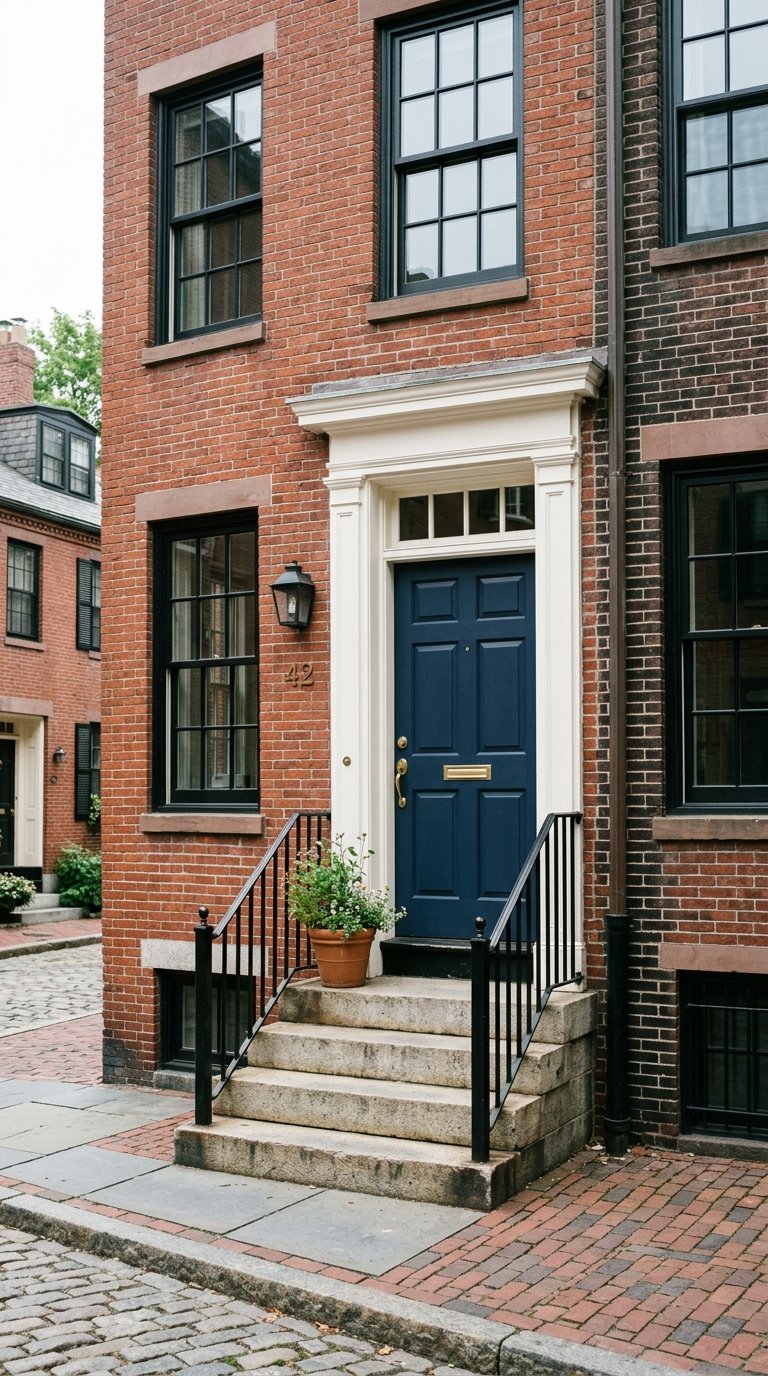
Devon sits in Easttown Township in Chester County, a community with deep Main Line roots. Easttown Township notes that the area was established in 1704 and has long been shaped by rail access and Main Line commuting. That history still shows up today in how people think about Devon: established, connected, and closely watched by buyers.
Devon also offers practical commuter access. The SEPTA Paoli/Thorndale Line serves Devon, which matters if your next move needs to support regular travel into Philadelphia or other nearby job centers. For many move-up buyers, that combination of location, prestige, and convenience is a big part of the appeal.
If you are comparing Main Line communities, Devon often feels like a true step up rather than a lateral move. Public pricing data in nearby towns such as Wayne and Malvern sit below Devon’s median listing price, which helps explain why buyers often approach Devon with a more defined wish list and a higher level of urgency.
What homes in Devon look like
If you picture Devon as a place of larger homes and established lots, the market supports that view. Easttown Township’s history notes that many large estates were later divided into building lots for single-family homes and townhouses. Today, that pattern still shapes the housing mix.
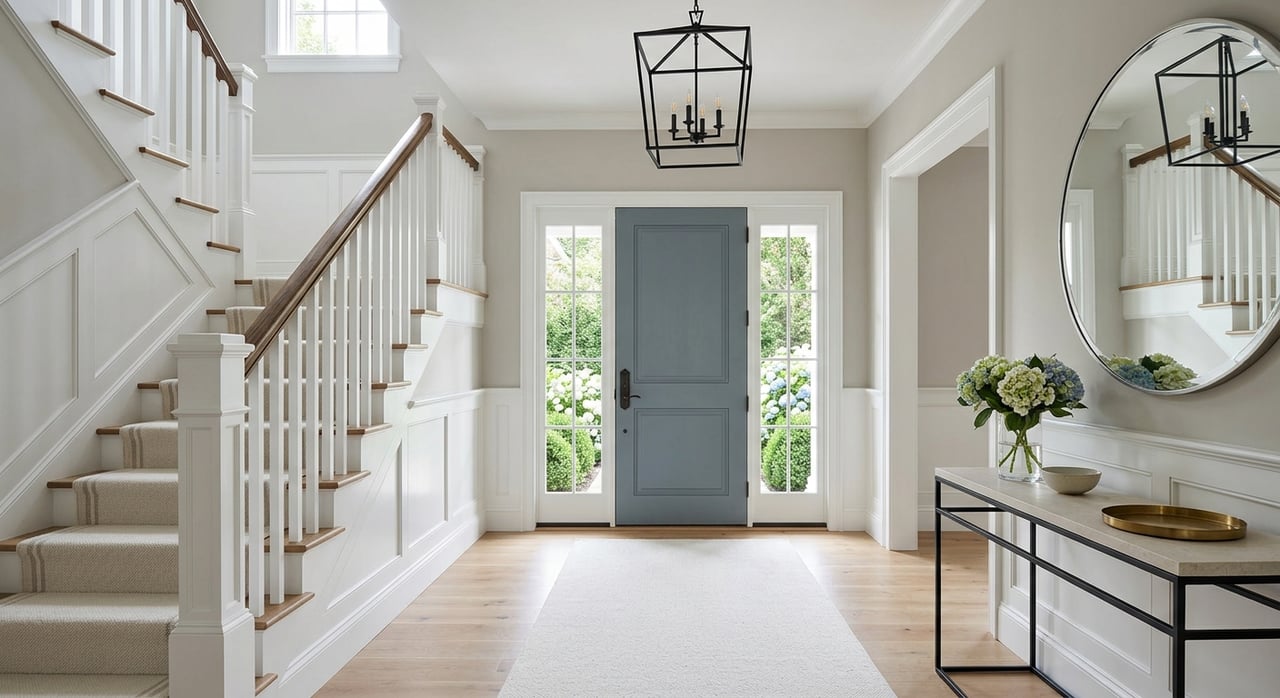
Current listings show that single-family homes are the core of the move-up market in Devon. Public examples include homes over 6,000 and even 7,000 square feet on lots around or above one acre, along with newer homes in the roughly 3,600- to 4,300-square-foot range on about half an acre. You can also find townhomes and condos, but they are usually secondary options for buyers who start their search wanting more space and privacy.
That means your search is not only about square footage. In Devon, lot size, privacy, finish level, and how the home lives day to day can matter just as much as bedroom count. If you are moving up, it helps to define which of those factors are must-haves and which are simply nice extras.
What you can expect on price
Devon is firmly in the upper tier of the local market. Zillow reported an average home value of $1,001,517 as of April 30, 2026, while Realtor.com showed a median listing price of $1,467,000 with 31 active homes. For many buyers, that confirms Devon is a move-up destination with a narrower margin for hesitation.
The price range itself is broad. Public listing data show homes from the high six figures into the multi-million-dollar range, with many listings clustering at $1 million and above. That spread can be helpful, but it also means you need to understand what your budget buys in terms of lot size, condition, and location within the area.
In practical terms, a bigger budget does not always mean a simple decision. One home may offer more land but need updates. Another may have a more turnkey interior but a smaller lot. The best plan is to decide early whether your priority is immediate move-in readiness, renovation potential, or a specific setting.
Why timing matters in Devon
Devon is not a market where you can casually watch and assume the right home will wait. Realtor.com reported an average of 28 days on market, and Redfin described Devon as highly competitive, with homes selling in about 23 days on average. Hot homes can go pending in around 5 days.
Redfin also reported that the typical sale lands about 4% above list price, and especially desirable homes can sell for about 9% above list price. That does not mean every home sparks a bidding war, but it does mean prepared buyers have a real advantage.
If you are moving up, this is where many plans get tested. You may be ready emotionally to make a move, but the market may require you to act before every detail feels perfect. That is why preapproval, timing strategy, and a clear budget ceiling matter so much in Devon.
How to plan a move-up purchase
For many homeowners, the hardest part is not choosing Devon. It is figuring out how to sell one home and buy another without creating too much disruption. The process works best when you build the plan in the right order.
Start with preapproval
Consumer homebuying guidance recommends exploring loan options while you shop and staying grounded in your budget. It also notes the importance of financing and inspection contingencies in an offer. In a fast-moving market like Devon, preapproval gives you a clearer lane before the right home appears.
Preapproval is not just a finance step. It helps you decide how aggressive you can be, what payment range feels comfortable, and where your upper limit really sits. That clarity can keep you from stretching too far when a strong listing hits the market.
Build your sell-side timeline
Consumer guidance also notes that people who plan to move often start by selling their current home before buying another one. That approach can help you avoid carrying two mortgages at once, which may be important depending on your cash flow and comfort level.
Still, every move-up plan comes with tradeoffs. Buying before selling may reduce the need for temporary housing, while selling first can reduce financial pressure. The key is to decide early which path fits your situation best.
Create a backup housing plan
If your current home sells before your next purchase closes, you may need a bridge plan. That could mean temporary housing, storage, or a rent-back agreement if your sale terms allow it. In Devon, where desirable homes can move quickly, having that backup mapped out in advance can lower stress and help you act decisively.
This is especially true for households balancing work schedules, school-year timing, or renovation plans. A backup plan does not mean you expect problems. It means you are preparing for a fast market with fewer surprises.
What to prioritize in your home search
When buyers move up to Devon, they often begin with a long wish list. That is understandable, but the search tends to go better when you separate your list into a few high-value categories.
Space and layout
Think beyond the total square footage. Ask yourself whether you need more bedroom count, better entertaining space, a first-floor office, or room for longer-term flexibility. A home that looks smaller on paper may live better if the layout fits your daily routines.
Lot size and privacy
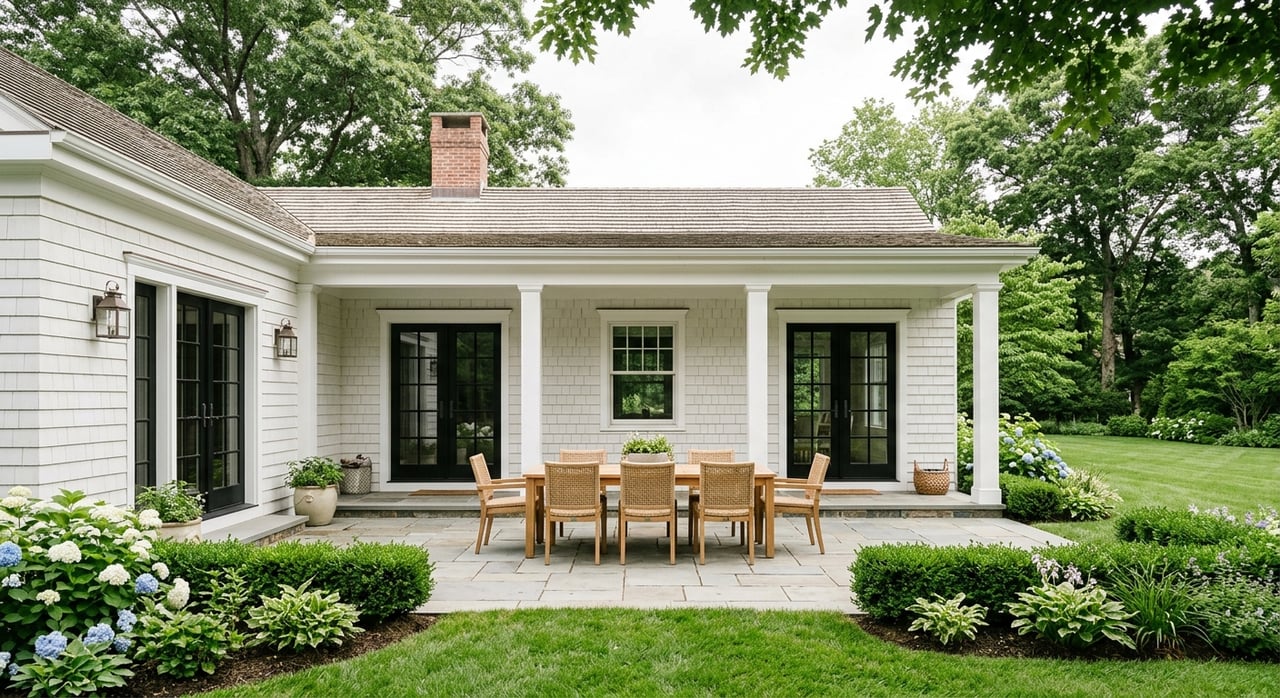
Because Devon includes many larger-lot properties, outdoor setting can be a meaningful part of the value. You may find that a half-acre lot with a more polished interior competes with a larger property that offers more privacy but needs work. Knowing which matters more to you will sharpen your search quickly.
Finish level and updates
Some buyers want a turnkey home and do not want to touch a thing after closing. Others are open to updates if the location and lot feel right. In Devon, both approaches can make sense, but they carry different timelines and budgets.
If you are considering renovations, check timing early. Easttown Township states that permits are required for most construction and renovation projects and provides zoning resources, so it is smart to understand the process before you commit to a home that needs major changes.
Commute and daily convenience
Devon’s rail access remains part of its identity, and for many buyers that practical convenience still matters. If commuting is part of your weekly routine, compare homes not just by address but by how they support your actual schedule. Small differences in location can change how the home feels on a Tuesday morning, not just on a Sunday afternoon showing.
How to make a stronger move-up decision
In a premium market, confidence comes from preparation, not speed alone. The goal is not to rush into the first available home. The goal is to know your numbers, your timing, and your non-negotiables well enough to move quickly when the right opportunity appears.
A few simple questions can help you stay focused:
- What is your firm price ceiling?
- Which matters more: lot size, condition, or commute?
- Would you consider a townhome or condo if inventory is tight?
- If your current home sells first, what is your short-term housing plan?
- If the next home needs updates, how much time and money are you willing to invest?
Those answers can save you from making an emotional decision in a competitive moment. They can also help you recognize a strong fit faster when the market gives you a limited window.
Why preparation matters more here
Devon is not just expensive. It is also relatively supply-constrained, with limited active inventory and quick turnover for desirable homes. That combination tends to reward buyers who have done the planning work early.
If you are moving up within the Main Line or arriving from another nearby community, Devon can absolutely be worth the effort. You are often buying into a market known for established homes, commuter access, and a level of long-term appeal that keeps demand steady. But to make that move well, you need a thoughtful plan, not just a hopeful search.
The good news is that a move-up purchase becomes much more manageable when you break it into clear steps. Budget first. Sale timing next. Search criteria after that. Then act decisively when the right home appears.
If you are thinking about your next move to Devon, working with a team that understands presentation, timing, and contract strategy can make the process feel far more manageable. Melissa Oeth & Stacy Richards bring a calm, high-touch approach to Main Line moves, helping you plan your sale and purchase with clarity, confidence, and care.
FAQs
What price range should you expect for a move-up home in Devon?
- Public listing data show Devon homes ranging from the high six figures into the multi-million-dollar range, with many listings around $1 million and above.
What property types are most common in Devon?
- Single-family homes are the main move-up option in Devon, though townhomes and condos also appear in the market.
How quickly do homes sell in Devon?
- Public market data show homes selling in roughly 23 to 28 days on average, with especially desirable homes going pending in around 5 days.
What should come first when planning a move to Devon?
- Start with preapproval, then build a sell-side timeline and a backup plan for temporary housing, storage, or rent-back if needed.
What should you look at besides square footage in Devon?
- Lot size, privacy, finish level, commute fit, and renovation needs can all matter as much as the total size of the home.
What if the Devon home you want needs updates?
- Check renovation timing early, because Easttown Township states that permits are required for most construction and renovation projects and provides zoning resources for that process.